Before they could vote, they came with us
Published 7:59 p.m. yesterday
By Donna King
My kids are among the nearly 50 million young people eligible to vote in this year’s midterm elections, but they became familiar with the voting booth long before they could cast a ballot. From early grade school, they’ve known when every Election Day was coming because we checked them out of school for voting and lunch. It wasn’t always easy on our work schedules, but once you start something like that, it’s hard to stop. Now, as 20-somethings, they see voting as an automatic civic responsibility.
I suspect plenty of other Gen X parents took the same approach. Gen Z is now roughly 13–29 years old. Nationally, turnout among eligible voters ages 18–29 rose from 39% in 2016 to 47% in 2024, an increase of 8 percentage points. It peaked at 50% in 2020, then slipped in 2024. North Carolina’s youth turnout increased approximately 1 percentage point from 2020 to 2024, bucking that national decline.
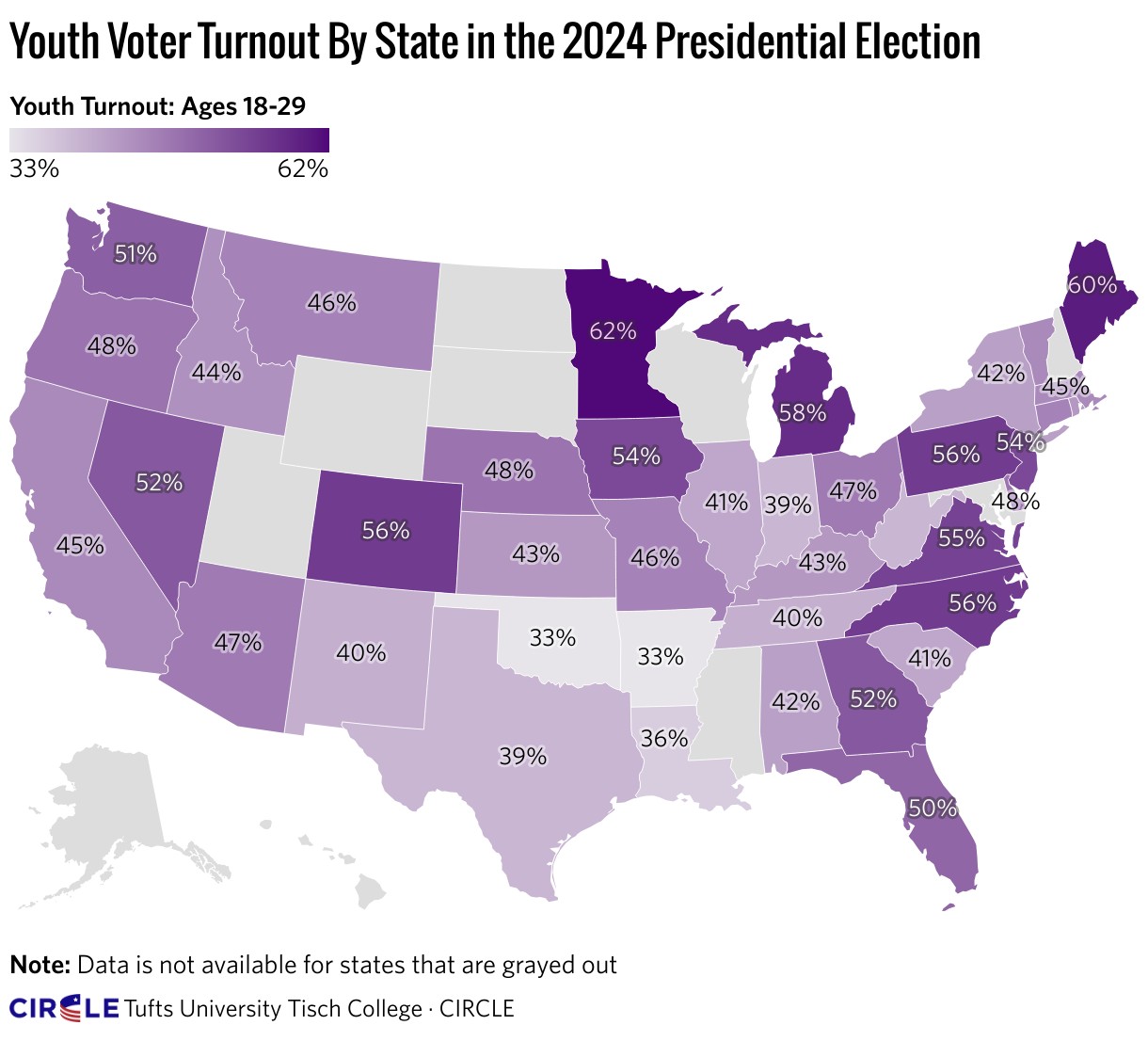
Earlier this year, a study from Tufts University found that greater access to civic opportunities, encouragement to participate, and a surrounding culture that values participation were associated with higher self-reported voting among young people. Families can help provide all three. It seems like a no-brainer to me, but there is such a focus in the activist world on turning out young voters. Perhaps they should play the longer game by talking to parents first.
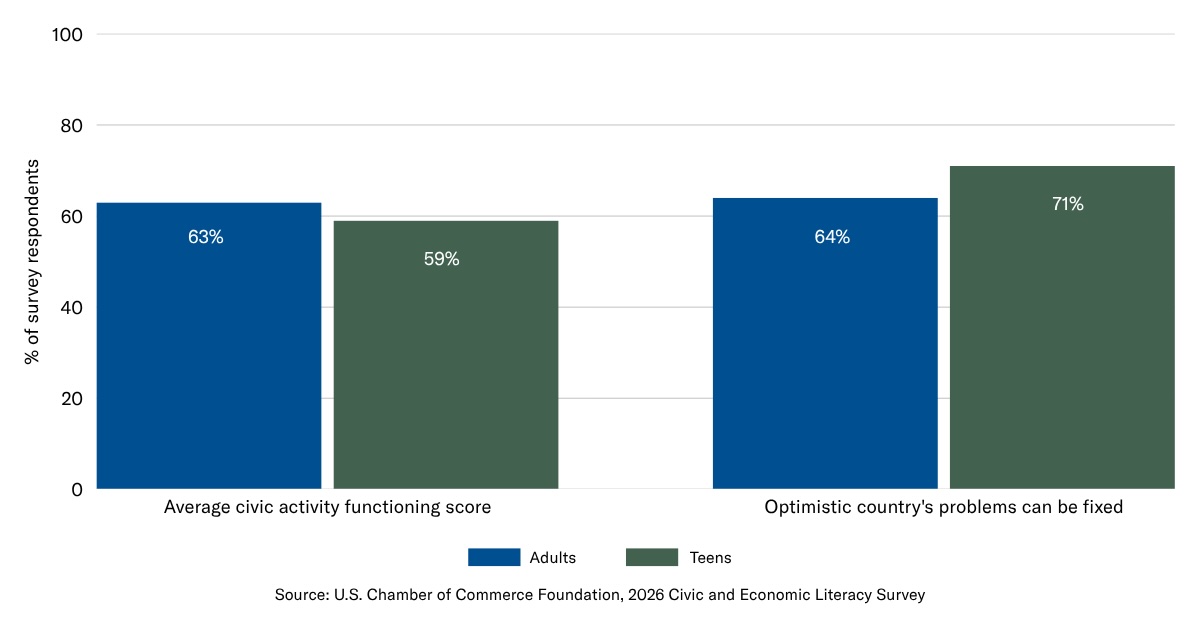
There is reason to be hopeful about the next generation. Research highlighted in September by the US Chamber of Commerce Foundation and College Board found that while teens rate the nation’s civic health lower than adults do, they are more optimistic that the country’s problems can be solved. Also among surveyed high school graduates and college freshmen, interest in community leadership and current events outpaced interest in engaging elected officials.
That suggests an opening for parents: start early. Help children connect their concern for their communities to the responsibilities of citizenship.
- Take children along when you vote and explain the process.
- Review a sample ballot together, including what local offices actually do.
- Let them ask questions.
- Connect current events or ballot measures to founding principles.
- Attend a public meeting or volunteer together so citizenship extends beyond elections.
Just like those of all ages, a primary driver of engagement for young voters is stable finances. CIRCLE found that nearly 60% of surveyed adults ages 18–29 sometimes or often struggled to meet their basic financial needs. Of those, 53% of financially struggling young adults said they were “extremely likely” to vote in the 2026 midterms, compared with 62% of financially stable young adults, a 9-percentage-point gap.
For parents, that is another reason to connect citizenship to everyday life: taxes, the cost of consumer goods, and job opportunities. Helping children understand early how government decisions affect their concerns can insulate them from misleading political promises like socialism and give the trip to the polls meaning beyond the family tradition.
This year’s ballot has three constitutional amendments on it, inviting the opportunity to talk about more than candidates with your voters-to-be, but discussion about ideas too. Connect a founding principle, such as consent of the governed, to something they can see on your sample ballot, found here.
September’s Carolina Journal poll found roughly two-thirds of likely voters supported proposed constitutional limits on income and property taxes, while a majority were dissatisfied with how local governments spend their property-tax dollars. Those questions bring self-government down to the household level: what government should do, what it should cost, and who should decide. Children can begin thinking about those responsibilities years before they cast their first vote.