North Carolinians want cleaner energy, not dirty, dangerous pipelines
Published December 18, 2025
By NC Newsline
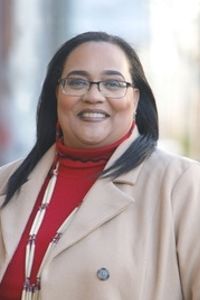

By Dr. Crystal Cavilier and Jeff Robbins
The cost of solar and wind power has dropped so much that it is now cheaper than electricity from gas and coal, and solar and wind power is far more reliable. In fact, during recent winter storms, when many gas and coal plants failed, solar and wind kept working.
With new advances in energy storage, we can now produce solar and wind power when it’s cheap and abundant and use it when we need it. Solar farms often take less than a year to build while gas power plants take up to seven years to start providing electricity.
Even worse, while wind and solar are a short and long-term solution to our power generation needs, building new gas plants and pipelines would lock us into this expensive and volatile energy source for 50 years or more, even as solar and wind continue to get less expensive.
This year, the North Carolina Justice Center officially took a stance against Transco’s proposed Southeast Supply Enhancement Project (SSEP) set to come through the Triad because of “the likelihood of safety violations and incidents, based on Transco’s poor track record of compliance with Pipeline and Hazardous Materials Safety Administration regulations.”
For decades, taxpayers have been forced to subsidize the astronomical profits of Big Oil and Gas companies like Transco through subsidies, handouts, and sweetheart deals. Americans are then forced to bear the brunt of high energy prices, dirty water and air, public health risks, and the fallout from climate-driven disasters. Big Oil and Gas companies hid the truth about the role of fossil fuels in the climate crisis for decades, while raking in unimaginable profits on the backs of consumers.
The gas for the proposed SSEP is set to fuel massive data centers in the Southeast, according to a new report from IEEFA. But growing electricity demand does not have to mean growing emissions, and transparency is critical, because data center projects and utility contracts are often proprietary, leading to the potential over-building of power plants and pipelines, causing stranded assets for utility customers to pay off over decades.
We know living near fossil fuel infrastructure, like pipelines, refineries and methane gas export facilities, causes a vast array of health problems. From asthma and cancer to premature death, oil and gas extraction and use is bad for quality of life. Not to mention that the SSEP would go near churches, schools, and dozens of houses and environmental justice communities.
On top of the direct health impacts, public health suffers as we deal with climate disasters caused by emissions from fossil fuel development. Injuries, death, and stressed health infrastructure contribute to poor health outcomes. Everyone suffers harm from this pollution, but vulnerable populations, like children and elderly people, pregnant women, and Black, Indigenous, and People of Color (BIPOC) communities are most at risk.
The gas industry continues to try and push a false narrative that its products are part of a clean energy solution instead of the risky and polluting reality that is fracked methane gas. The Trump administration has promised to push through fossil fuel projects without environmental reviews or considerations for how they will impact communities or prices.
The vast majority of people support increased access to clean, affordable energy instead of propping up polluting industries. We have a wide array of tools in our tool belt to not only fight, but win.
That is why five localities in the last six months in North Carolina have passed resolutions of concern or against SSEP. This is a no brainer to us. It’s time our leaders listened and acted by denying permits, so this dirty, dangerous pipeline won’t be constructed.
Dr. Crystal A Cavalier, Ed.D, MPA, is co-founder of 7 Directions of Service, and Jeff Robbins is executive director of Clean AIRE N.C.