To meet NC’s future power demand, choose wisely
Published September 3, 2026
By Jon Sanders
In this game, you’re a project manager in a company with a rapidly expanding workload. It’s your job to hire and deploy new workers to help. Your decisions must handle the workload efficiently, productively, and at the least cost to the company.
Here are your choices of potential workers. You can hire any or all of them and determine how much to use each one:
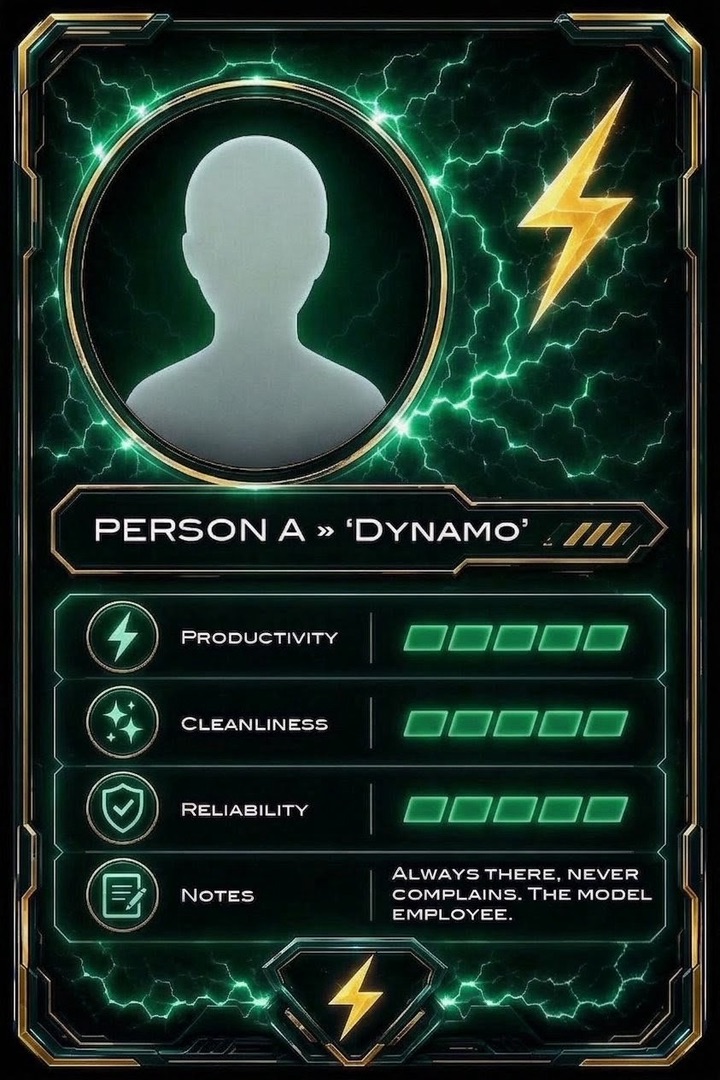
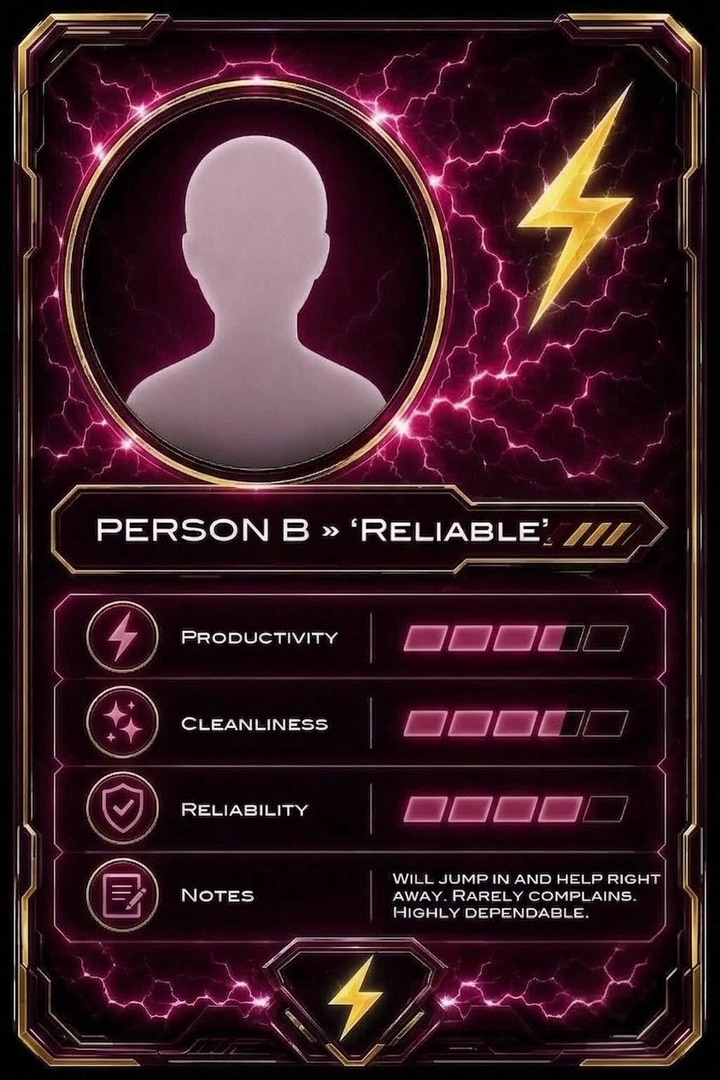
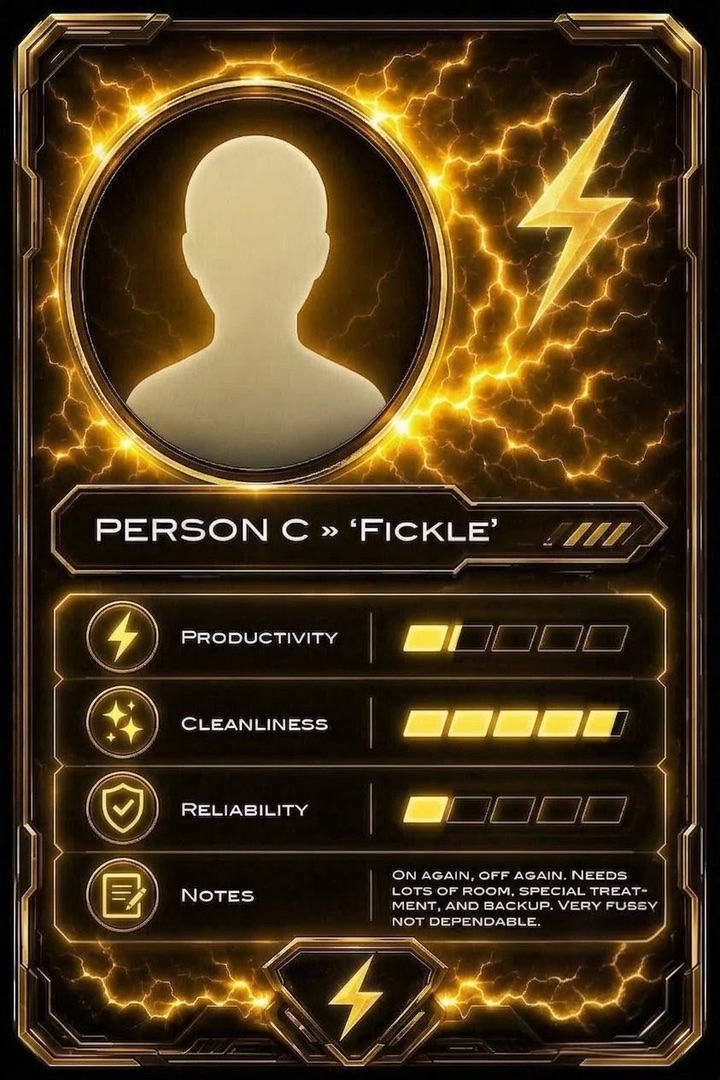
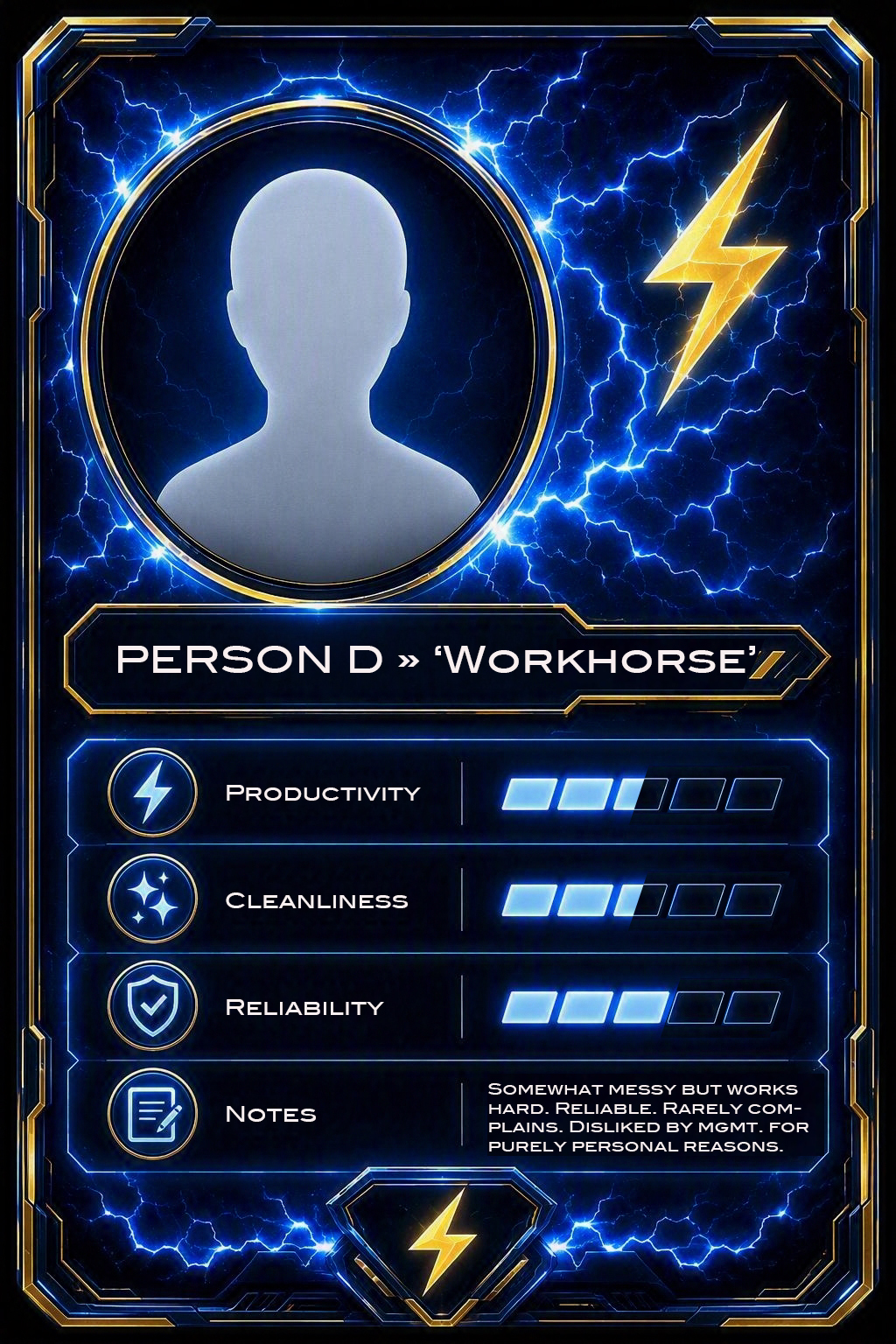
What should you do? Given your constraints, what workers should you hire. and how much of the workload should you assign to each of them to achieve the highest productivity at the least cost?
One player made this choice:
- Hire Person A for just 12% of the workload.
- Hire Person B for just 24% of the workload.
- Hire Person C for nearly half (47%) of the workload.
- Fire Person D.
Does that sound sensible to you?
Unfortunately, this is not a game. It is something playing out right now in North Carolina energy policy, with grave consequences.
The workload is new electricity demand and how Duke Energy will fulfill it. The project manager is a combination of the North Carolina Utilities Commission (NCUC) and the elected officials passing policies governing what resources Duke can use to meet the workload. Person A is nuclear power. Person B is natural gas generation. Person C is solar energy. Person D is coal power.
The company is the people of North Carolina, whose foundational law and expectations for electricity generation are that it be sufficient, reliable, and at the lowest cost to ratepayers that can be achieved. The NCUC is tasked with guiding the utility companies to find the right mix of power-generating resources to meet these legal objectives. Unfortunately, governors and legislators have been dictating policies to the NCUC that clash with reliable and affordable electricity — most especially, the state’s Carbon Plan law.
The player’s choices above reflect the actual plan Duke has for new capacity to meet North Carolina’s demand for electricity by 2041: 47% to be new solar capacity, 24% new natural gas, and only 12% new nuclear, along with closing down coal.
Rapidly increasing electricity rates are already starting to affect the people of North Carolina. Politicians and media profess outrage at them while expressly avoiding the policies behind the spike. Without policy change, the problem will only get worse.
The productivity numbers mentioned above are obtained from Duke Energy’s 2025 and 2026resource plans, giving capacity and generation numbers by resource (coal, natural gas, nuclear, solar, etc.) for 2026 to 2041.
Key to understanding this disparity is that capacity is not the same as productivity. In fact, it can differ significantly.
Capacity is like a full-time employee’s promise of working an eight-hour day, while productivity is how much work actually gets done. Knowing this, you can find out how productive each source is expected to be by dividing the new generation from it by the amount of new capacity added.
The productivity numbers of nuclear, natural gas, solar, and coal are vastly different. So, Duke’s choices for how much capacity it would add from each resource, given their expected productivity levels, would seem rather confusing, even backwards, were it not for the Carbon Plan law.
THE MORE PRODUCTIVE THE POWER SOURCE, THE LESS DUKE PLANS TO ADD
| Select resource | New capacity added (MW) | Percent of new capacity | Generation (GWh) | Percent of new generation | Productivity (GWh/MW) |
| Solar | 17,600 | 47.1% | 36,690 | 39.5% | 2.1 |
| 4-hour battery storage | 12,938 | 34.6% | N/A | N/A | N/A |
| Natural gas | 9,017 | 24.1% | 50,504 | 54.3% | 5.6 |
| Nuclear | 4,601 | 12.3% | 36,284 | 39.0% | 7.9 |
| Coal (retirements) | -8,059 | -21.6% | -31,596 | -34.0% | 3.9 |
Much is being said about rising electricity demand in North Carolina, our need for more generation capacity, and the consequential effect on our electricity rates. Nevertheless, there’s not nearly enough focus on the policies behind the capacity choices. The Carbon Plan law elevated climate ideology over affordability and reliability, and we’re starting to reap the consequences.
How bad will things be 15 years from now, when nearly half of the new capacity is the least efficient source of electricity and isn’t even available for half of the day — or worse, by 2050, when natural gas and coal power will be illegal?
While it may seem like it to climate ideologues and special interests, energy policy is not a game. It’s too important for North Carolina’s families and businesses.